⚡ Quick Answer
Northern Morocco eats differently from the rest of the country — closer to the sea, closer to Spain, and prouder of its own specialties. Don’t leave without trying: grilled sardines and the day’s catch in Tangier or M’diq, bissara (the North’s beloved fava-bean soup) for breakfast, Chefchaouen’s fresh goat cheese, kalinte (Tangier’s chickpea tart, a Spanish inheritance), and kaab el ghazal almond pastries in Tétouan. Expect to eat very well for 30–80 MAD ($3–8) at local spots — and yes, the mint tea really is better here.
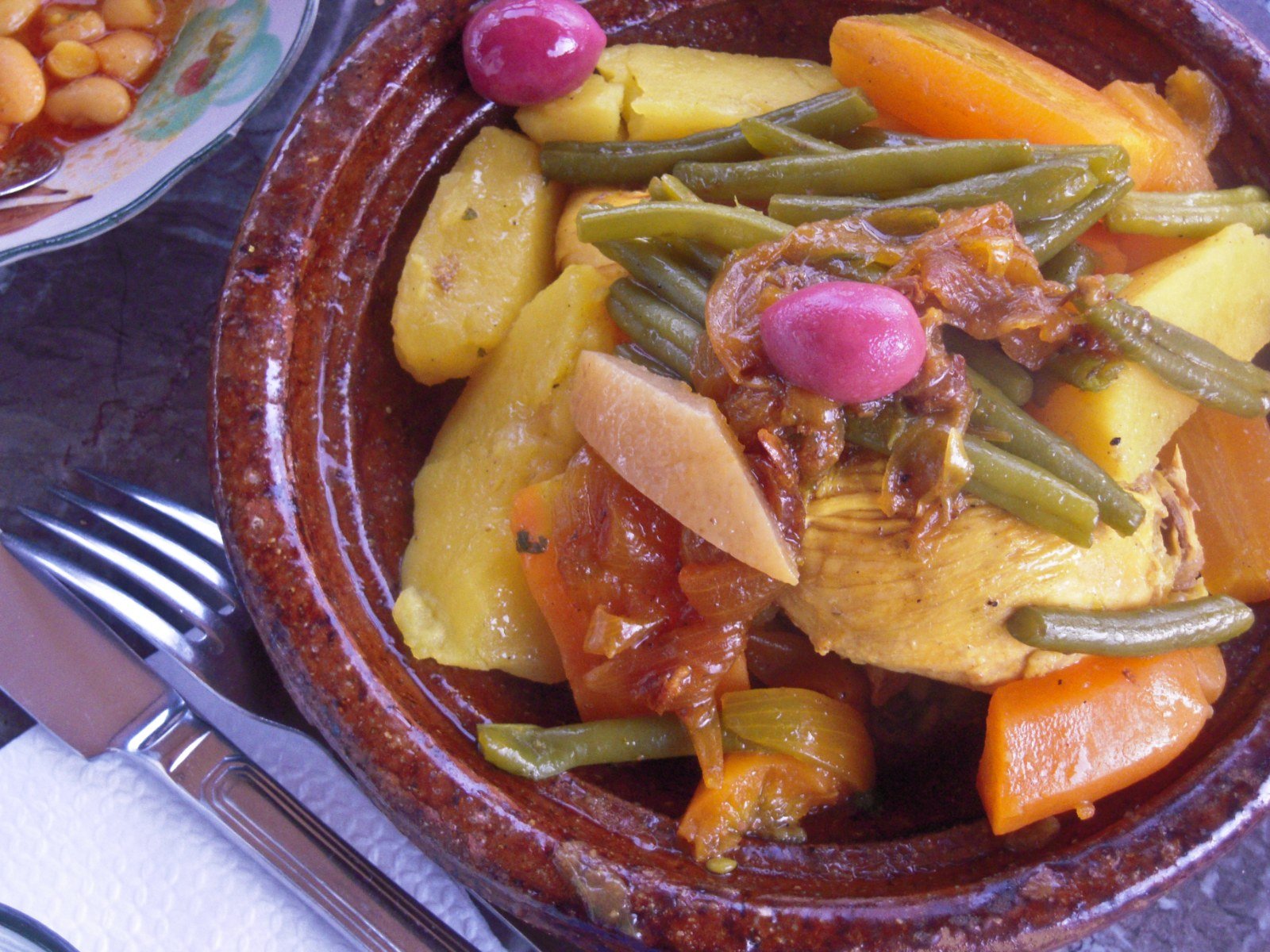
Ask most travelers about Moroccan food and you’ll hear the greatest hits: tagine, couscous, pastilla. All present and correct in the North — but eating your way through Tangier, Tétouan, Chefchaouen and the coast means discovering a second menu the guidebooks mostly miss: a cuisine shaped by the Atlantic and the Mediterranean, by five centuries of Andalusian inheritance, and by the Rif mountains at its back.
As locals, this is the food article we’d hand a friend: what to order, where the real versions live, and the specialties that exist here and almost nowhere else.
The Seafood: The North’s True Signature
With two seas on its doorstep, the North does fish better than anywhere in Morocco. The rules are simple: eat close to a port, order what came in that morning, and don’t overthink it.
- Grilled sardines — the people’s feast: charcoal-grilled, squeezed with lemon, eaten with bread and cumin salt. Cheap, perfect, everywhere near the coasts.
- The day’s catch, done simply — in Tangier, our standing recommendation is Omega 3: the name is the philosophy, the fish is the menu. In M’diq, any port-side restaurant serving the morning’s landing is the right answer.
- Tagra — the North’s clay-pot fish tajine: fish baked with tomatoes, peppers, chermoula and olives in an earthenware dish. Look for it in Tangier and along the Tétouan coast.
- Fried-fish platters — the mixed fritura is pure shared Spanish-Moroccan heritage: calamari, whiting, sole, all crisp, all meant for the middle of the table.
Bissara: The Breakfast of the North
A thick, silky fava-bean soup finished with olive oil, cumin and paprika, eaten with fresh bread — bissara is the North’s cold-morning institution, beloved from Tangier’s medina to Chefchaouen’s mountain air. A bowl costs pocket change at hole-in-the-wall spots, and it’s one of Morocco’s great budget breakfasts. Order it where you see locals hunched happily over steaming bowls.
Kalinte: Tangier’s Spanish Souvenir
A baked chickpea-flour tart — golden, custardy inside, dusted with cumin — sold by the slice from bakeries and street carts around Tangier. It’s the local cousin of Andalusia’s calentita, a delicious edible reminder that this city has always faced Spain. Eat it warm, standing up, like everyone else.
Chefchaouen’s Goat Cheese
The Rif’s herds produce the fresh goat cheese (jben) that Chefchaouen is famous for across Morocco: soft, snow-white, lightly tangy, sold in the markets and served with bread, olive oil and honey. Order it at breakfast in any riad in the blue city, or buy a round in the souk — it’s the taste of these mountains.
Tétouan’s Sweet Tooth: Kaab el Ghazal & the Andalusian Table
Tétouan’s Andalusian heritage shows up most deliciously in its pastry work — above all kaab el ghazal (“gazelle horns”), crescents of thin pastry wrapped around orange-blossom almond paste, which the city makes better than anywhere. The refined end of Tetouani cooking is best experienced at Dar La Médina, the restored riad we recommend in our paid guide — our Tétouan article has the full day built around it.
The Classics, Northern Style
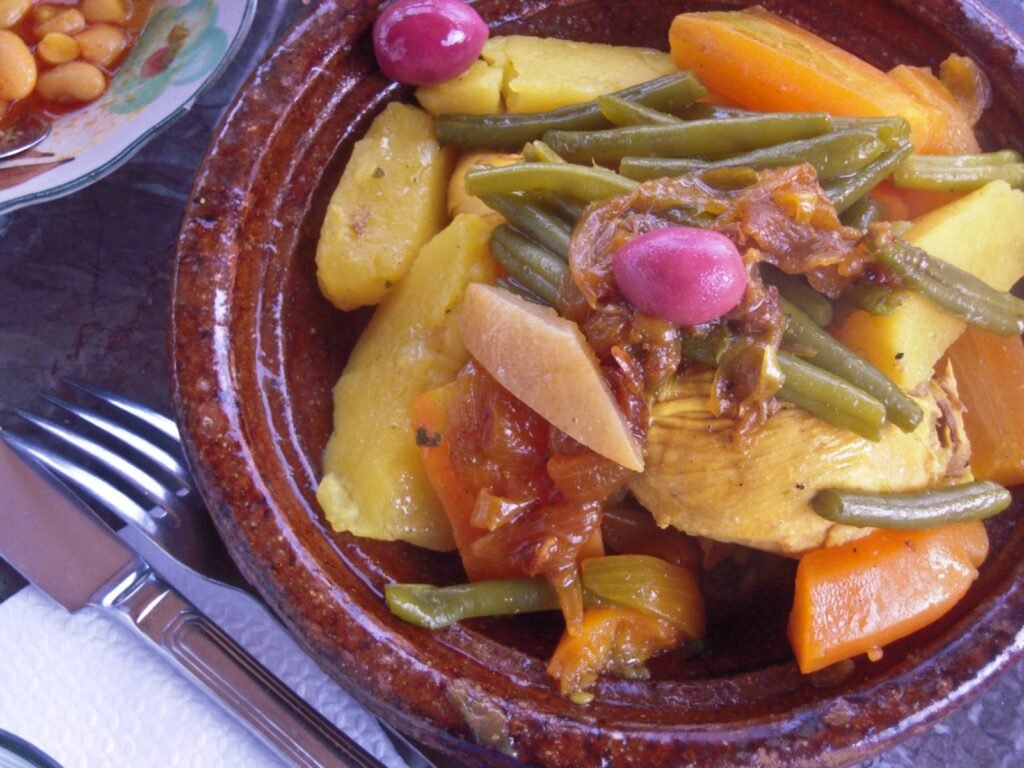
- Tajine & couscous — of course. Friday couscous is a genuine tradition: if you’re invited, cancel your plans. In restaurants, mountain towns do the meat-and-vegetable classics best.
- Harira — the tomato-lentil-chickpea soup that anchors Ramadan and comforts year-round.
- Msemen & breakfast breads — flaky square pancakes with honey or cheese, plus the daily khobz that accompanies everything.
- Mint tea — poured high, sweetened seriously, and drunk constantly. The North’s café culture (a Spanish inheritance too) means you’re never far from a glass — and the fresh orange and pomegranate juices are their own reward.
Where We Actually Eat: Our Address Book
- Tangier: Omega 3 (fish), Al Achab (honest Moroccan home cooking), La Ruche (the reliable all-rounder), La Cañada (the Spanish accent done right) — the full city plan is in our Tangier guide.
- Tétouan: Dar La Médina for refined Tetouani cooking in a restored riad.
- Chefchaouen: Cafe Clock (the beloved cultural café — camel burgers to vegetarian plates) and Cafe Zambra (the relaxed local favorite) — both woven into our one-day Chefchaouen plan.
- Asilah: Port XIV for seafood with the town’s arty seaside calm.
💡 Smart Tips
- Follow the locals, not the laminated menus. A packed hole-in-the-wall at 1 PM beats an empty terrace with photos of food, every time.
- Eat fish where the boats are. Tangier’s port area, M’diq, Asilah — proximity to the landing is the only review that matters.
- Budget generously little: a bowl of bissara or a kalinte slice runs pocket change; a generous local lunch 30–50 MAD; a very good fish dinner 80–150 MAD. Splurges are for the riads, not required for quality.
- Street food rules: hot, freshly cooked, high turnover = safe and delicious. Bottled or filtered water for drinking, and ease into the salads over your first days.
- Ramadan travelers: restaurants adapt and many serve visitors during the day, but the real magic is joining an iftar — harira, dates, chebakia — as the sunset cannon sounds.
- Say yes to tea. Refusing the third glass is technically allowed and spiritually inadvisable.
FAQ
What food is Northern Morocco known for?
Seafood above all — grilled sardines, clay-pot tagra, fried-fish platters — plus regional specialties like bissara (fava-bean soup), Tangier’s kalinte chickpea tart, Chefchaouen’s fresh goat cheese and Tétouan’s kaab el ghazal pastries, all layered over the Moroccan classics.
Is street food safe in Morocco?
Generally yes, with the universal rules: eat what’s cooked hot and fresh at busy stalls, drink bottled or filtered water, and let your stomach acclimatize before going full adventurer. Millions of locals eat this way daily — turnover is your friend.
How much does eating out cost in Northern Morocco?
Local spots: 30–50 MAD ($3–5) for a filling meal. Good fish restaurants: 80–150 MAD. Riad and upscale dining: 150–300 MAD. Mint tea: 10–15 MAD at a normal café. Eating exceptionally well here is one of travel’s great bargains.
Can vegetarians eat well in Northern Morocco?
Very well: bissara, vegetable tajines and couscous, msemen, goat cheese, olives, exceptional bread, salads and the fruit-juice culture cover most bases — just say “bla lham” (without meat) and confirm, since broths sometimes hide meat. Cafe Clock in Chefchaouen is particularly vegetarian-friendly.
What drink is Morocco famous for?
Mint tea — green tea packed with fresh mint and sugar, poured theatrically from a height. Alcohol exists but discreetly (hotel bars, some restaurants); the everyday drinking culture is tea, coffee and spectacular fresh juice.
🗺️ Hungry? The whole route is mapped.
Our Northern Morocco Road Trip Guide builds every one of these addresses into a day-by-day itinerary across Tangier, Tétouan, Chefchaouen, Akchour and Asilah — with GPS coordinates, timing and our full venue picks. Get the guide here →