⚡ Quick Answer
Asilah’s two headline experiences beyond the medina: the International Cultural Moussem — Morocco’s oldest arts festival (since 1978), held every July, when international artists repaint the medina’s famous murals — and Paradise Beach, the wild golden-sand cove about 5 km south of town. The best part: the murals stay up all year, so visiting right after the festival means seeing them at their freshest. Asilah sits just 40 minutes south of Tangier (CTM buses run hourly for ~25 MAD), making both experiences an easy add-on to any Northern route.
Most visitors give Asilah half a day: walk the ramparts, photograph the murals, eat fish, leave. Lovely — and incomplete. The white town rewards those who know its two deeper stories: the summer festival that turned a quiet fishing port into one of North Africa’s great open-air galleries, and the wild beach down the coast that locals have always kept half-secret.
If you’ve already read our one-day Asilah guide, consider this the second chapter: the festival, the beaches, and why the town deserves more than a lunch stop.
The Moussem: How Two Friends Turned a Town into a Gallery
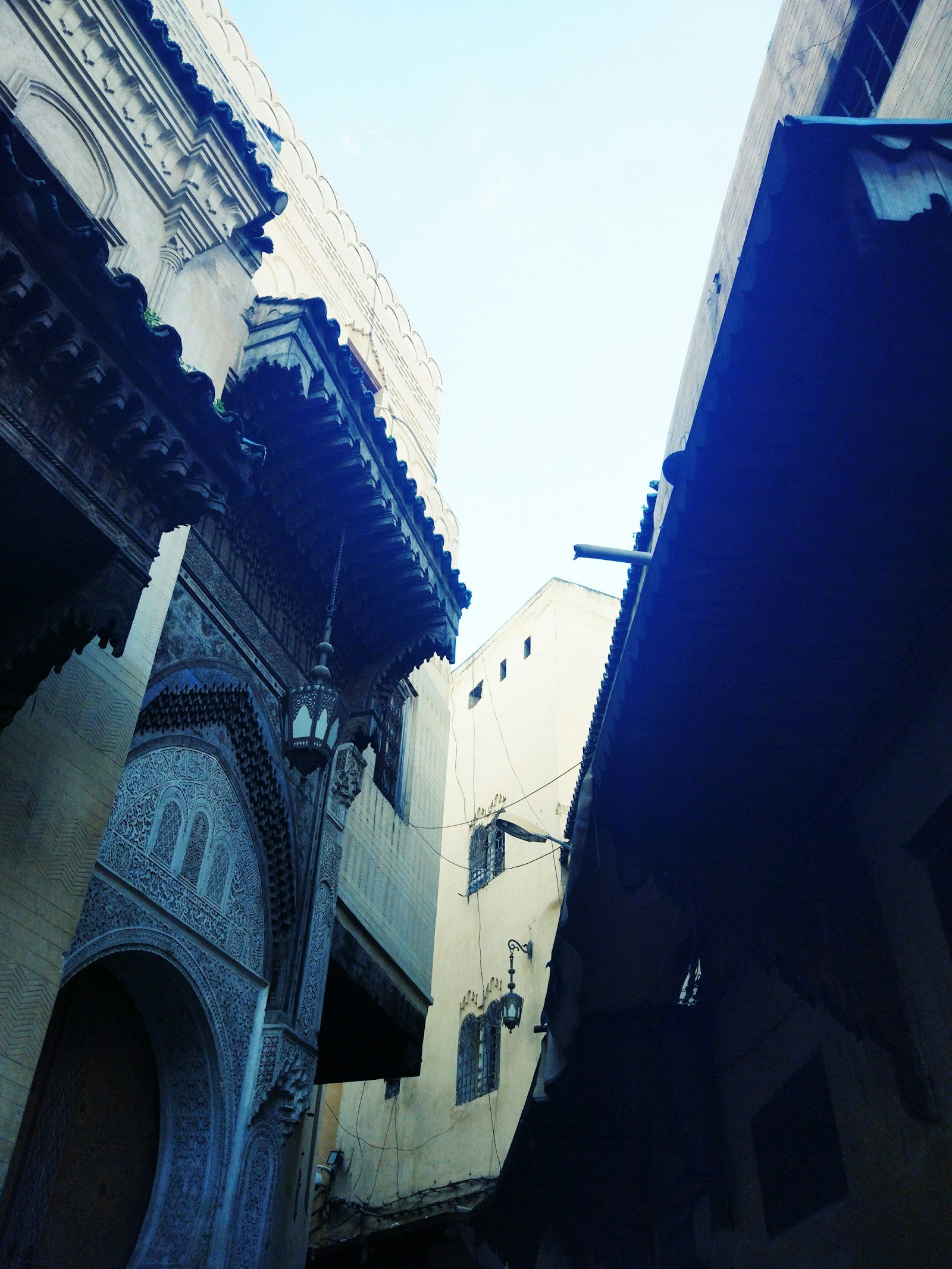
In 1978, two friends — the painter Mohammed Melehi and Mohamed Benaïssa — invited fellow artists to paint the crumbling walls of their hometown. Nearly five decades later, the International Cultural Moussem of Asilah is Morocco’s oldest cultural festival and the reason the medina looks the way it does: every summer, walls are whitewashed back to blank canvases, and a new generation of international and Moroccan artists paints them fresh.
For roughly three weeks each July, the town becomes the festival: live mural painting in the lanes, free concerts in the squares each evening (world music, jazz, fusion), exhibitions, poetry readings at the Hassan II Centre and the Raissouni Palace, engraving workshops, and the “Summer University” of talks that draws intellectuals from across the Arab and African worlds. Most events are free, the atmosphere is family-friendly, and the town’s calm somehow survives it all. The 2026 edition (the 43rd) ran through most of July — which means the murals gleaming on the walls right now are weeks old.
Seeing the Murals (Any Time of Year)
Here’s the traveler’s secret: the festival’s art doesn’t leave with the festival. The murals stay on the walls all year, weathering beautifully against the whitewash and Atlantic light, until the next summer’s repainting. Visiting in the months right after the Moussem means the freshest colors and the emptiest lanes; visiting in spring means catching the “last exhibition” before the walls go blank again. Either way, wander without a map — the murals find you — and remember these are people’s homes: photograph the walls freely, the residents with permission.
Paradise Beach: The Wild One
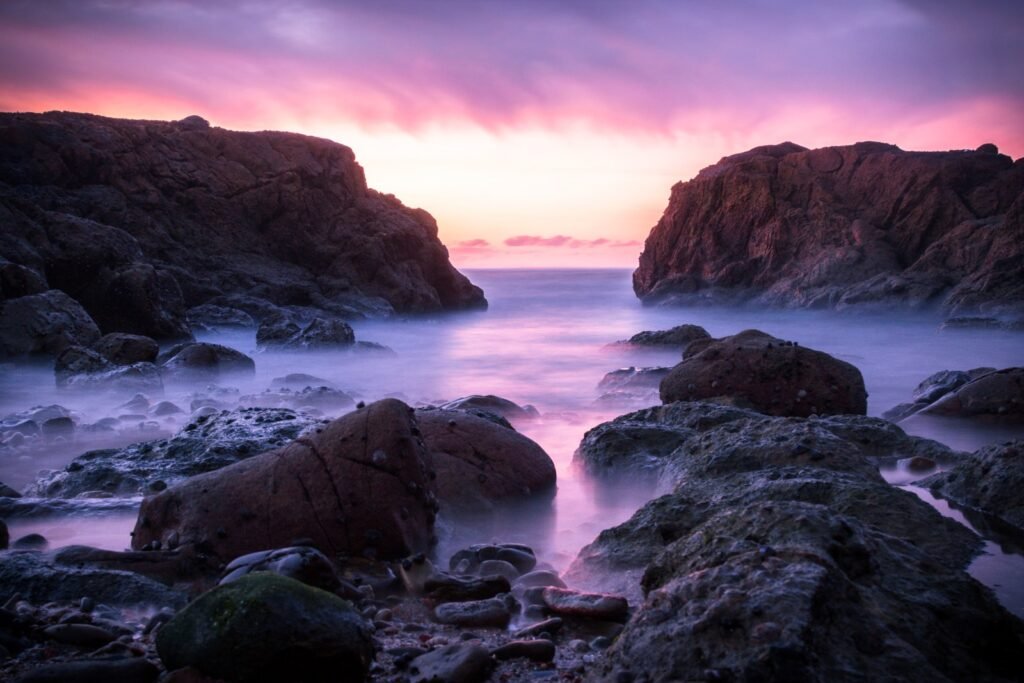
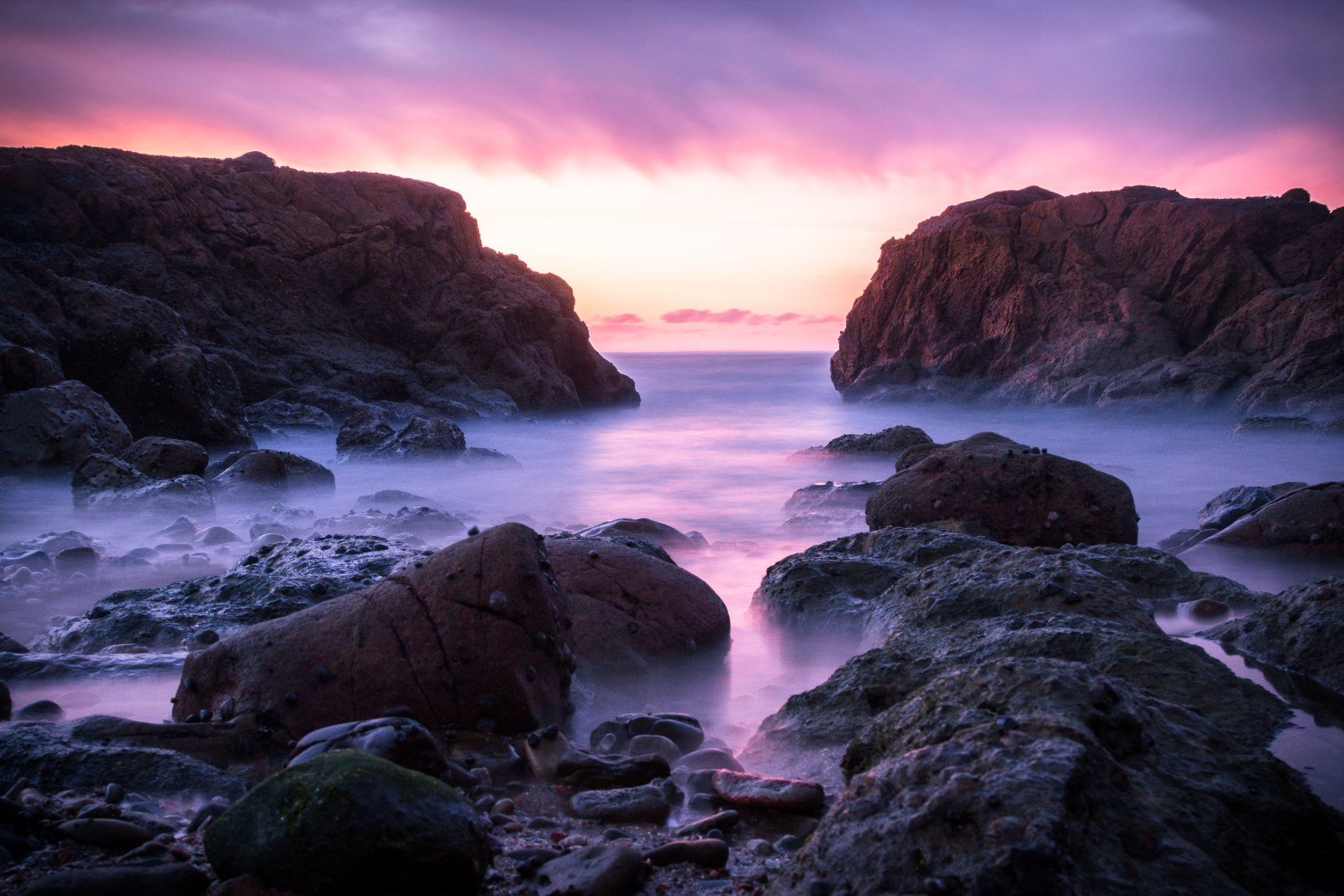
Asilah’s town beach is long, sandy and sociable — sunset horse rides, family football, easy access. But the one worth the pilgrimage is Paradise Beach (Playa de las Cuevas), about 5 km south of town: a golden crescent backed by cliffs and countryside, with calm swimmable water and, outside high summer, a gloriously end-of-the-world feel.
- Getting there: a petit taxi or a ride-hail from town, a long beach-and-track walk for the energetic, or — the classic — a shared donkey-cart ride in season. Agree taxi fares before setting off.
- What to expect: in July–August, a lively scene with seasonal café-shacks serving tea and grilled fish; off-season, bring everything you need (water, shade, snacks) because facilities fade with the crowds.
- Swimming: calmer than most Atlantic beaches thanks to the cove’s shape, but this is still the ocean — respect the currents, swim where others swim.
- The golden rule: pack out your trash. The beach’s wildness is its treasure, and it stays that way one visitor at a time.
- Also worth knowing: quieter Rmilat and Briech beaches lie along the same stretch of coast for those who want even fewer footprints.
Making a Day of It
- 🌅 Morning: the medina at its calmest — ramparts, murals, the Borj Al Kamra Portuguese tower, coffee on Place Hassan II.
- 🕐 Lunch: our standing Asilah recommendation is Port XIV — seafood done with the town’s arty seaside polish.
- ☀️ Afternoon: Paradise Beach — swim, laze, tea at a shack (in season).
- 🌇 Golden hour: back on the town beach or the ramparts for the Atlantic sunset Asilah does better than anywhere in the North.
Getting to Asilah
From Tangier: about 40 minutes by road — CTM buses run roughly hourly (~25 MAD), grand taxis charge around 200 MAD for the car, and the train also stops here on the Tangier–Rabat line. With a rental car, Asilah slots perfectly into the coastal route — and our Tangier guide plus the Tarifa arrival guide connect the dots for travelers coming from Spain.
🚗 The Coastal Route Deserves Your Own Wheels
Tangier to Asilah is a beautiful 40-minute coastal drive — and a car turns Paradise Beach, the murals and a sunset return into one easy day. We compare prices with DiscoverCars.
Compare Car Rental Prices →💡 Smart Tips
- Festival-time visitors: book months ahead. Asilah’s small stock of riads and guesthouses fills fast for the July Moussem — and prices rise with demand.
- Post-festival is the connoisseur’s window. August–October combines fresh murals, warm ocean and thinning crowds — arguably the best Asilah of the year.
- Cash for the beach day. Taxi fares, donkey carts and beach-shack tea all run on dirhams; agree prices before the ride, not after.
- Sunscreen seriously. The Atlantic breeze disguises the sun’s strength — Paradise Beach has little natural shade outside the shack season.
- Check festival dates before planning around them. The Moussem runs in July but exact dates shift each year — confirm the current edition’s calendar before booking transport.
- Pair it smartly: Asilah + Tangier makes a perfect two-day coastal combo, and the town is the gentlest first stop in Morocco for travelers arriving from Spain.
FAQ
When is the Asilah Arts Festival?
Every July, for roughly three weeks — the 2026 edition (the 43rd) ran through most of the month. Exact dates shift annually, so confirm the current calendar before planning a festival-timed trip. And if you miss it: the murals remain on the walls all year.
Is Paradise Beach worth it?
Yes — it’s the North’s best wild beach experience: golden sand, swimmable water, cliff-backed calm. Go in season for the lively shack scene or off-season for near-solitude (bring supplies). It’s the perfect afternoon counterpart to a medina morning.
How do you get to Paradise Beach from Asilah?
It’s about 5 km south of town: a short petit-taxi ride (agree the fare first), a seasonal donkey-cart ride for the classic experience, or a long scenic walk. With a rental car it’s ten easy minutes.
Are the Asilah murals permanent?
Semi-permanent by design: each summer before the festival, participating walls are whitewashed to give new artists a blank canvas, and fresh murals replace the old. Whatever year you visit, you’re seeing that edition’s unique, unrepeatable collection.
Is Asilah worth visiting outside festival season?
Absolutely — arguably it’s at its best just after: fresh murals, calm lanes, warm sea and the town’s natural serenity restored. Winter is quiet and windswept but beautifully moody, with the medina’s whitewash and blue accents all yours.
🗺️ Asilah is one stop on the perfect coastal route.
Our Northern Morocco Road Trip Guide weaves Asilah, Tangier, Tétouan, Chefchaouen and Akchour into one seamless itinerary — day-by-day plans, our real venue picks (Port XIV included), and GPS coordinates for every stop. Get the guide here →